 How-to
Is Replacing an Old Water Heater Worth It? 4 Factors
Last Updated: November 5, 2026
Quick Summary
Replacing old water heater equipment is worth it when repair costs approach half the price of a new unit, or when the tank is near the end of its typical service life. Age alone does not settle the question, since a working older unit may still be fine.
- Repair often makes sense for a newer unit if the bill stays below half the replacement cost.
- Find out what is causing a leak before deciding between repair and replacement.
- Replacement makes more sense when each repair adds cost without extending the tank's life.
- Watch for rust-colored water, slow heating, shrinking hot water supply, and pooling water at the base.
- Hard water can build up sediment and shorten the service life of a new unit.
Table of Contents
- Is Repairing or Replacing Your Water Heater the Better Choice?
- Signs Your Water Heater Needs Replacing
- How Much Does Water Heater Replacement Cost and How Long Will the New Unit Last With Hard Water?
- Frequently Asked Questions
Is Repairing or Replacing Your Water Heater the Better Choice?
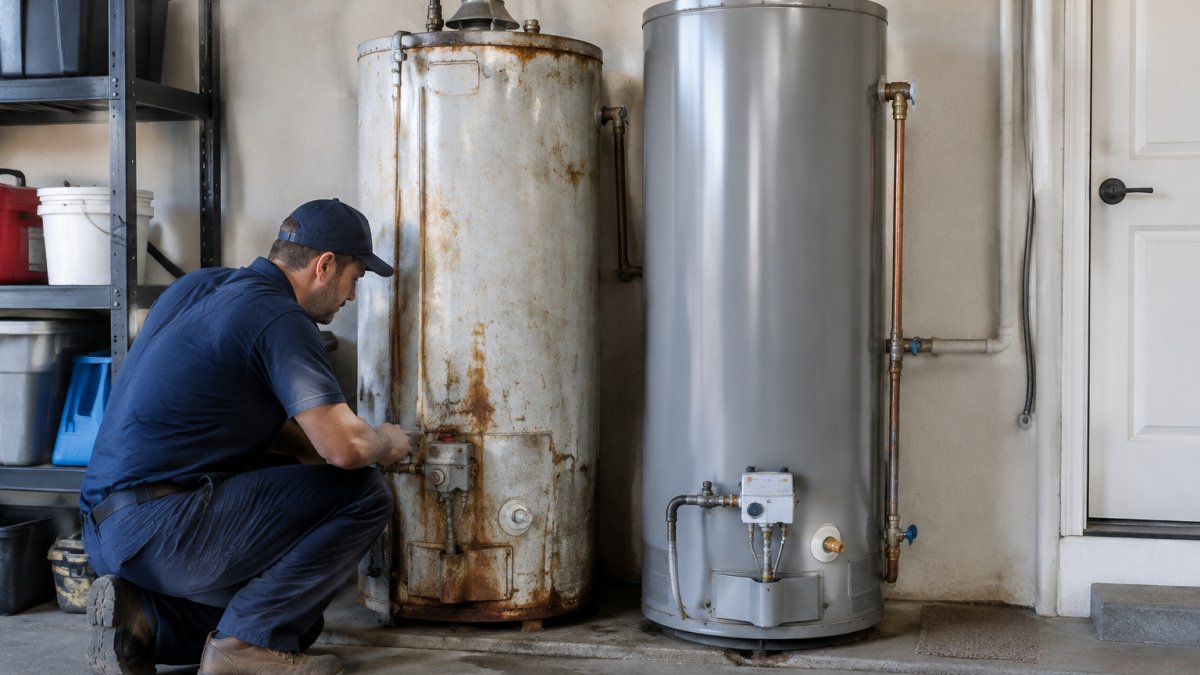
Replacing an old water heater is worth it when repair costs approach half the price of a new unit, or when the tank is near the end of its typical service life. Age alone does not settle the question. A gas unit from 1991 can still work, although it may heat slowly.
Repair can make sense for a newer unit with a minor problem. If the repair bill stays below half the cost of a replacement, fixing the existing heater often delivers more value. Before choosing, find out what is causing a leak so you can judge whether the problem is a simple part or a failing tank.
Replacement tends to make more sense when the tank is old and each repair adds cost without extending its life. A new unit also brings a predictable warranty and fewer surprise emergencies. Our Reno water heater repair service can assess your unit and give you a clear repair estimate, so you can compare it against replacement.
Signs Your Water Heater Needs Replacing
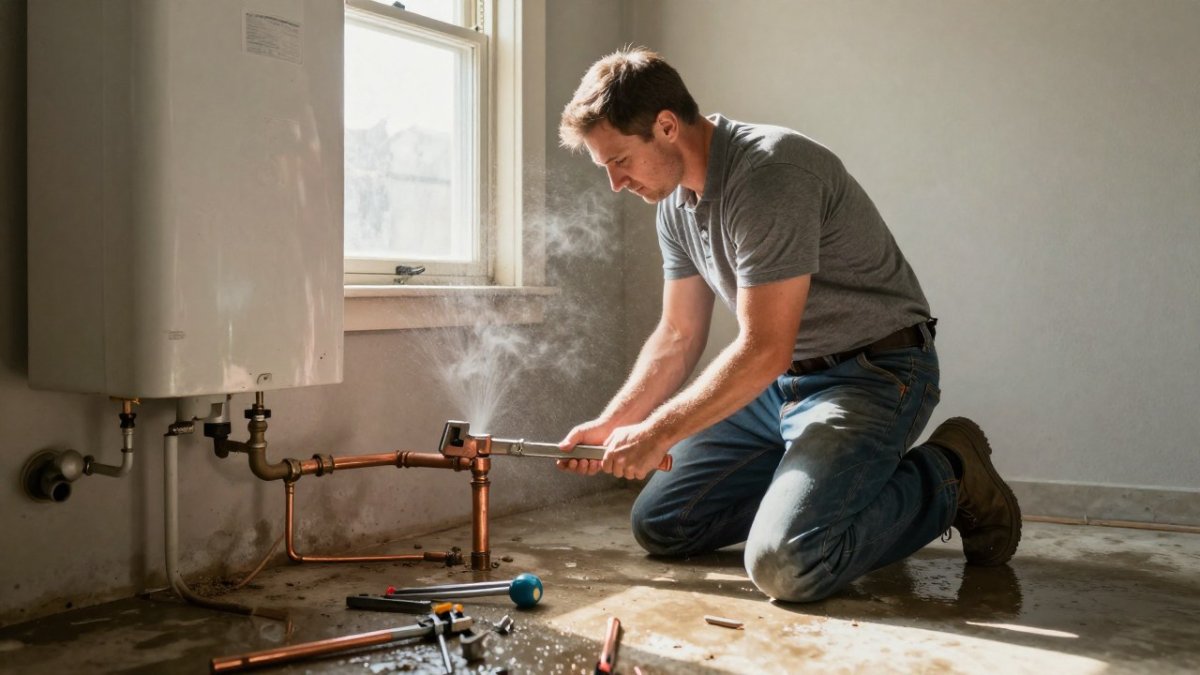
Common warning signs include rust-colored water, slow heating, a shrinking supply of hot water, and pooling water around the base of the tank. Each one can point to corrosion or a failing tank, which often means replacement is the safer choice. A full list of the most common symptoms can help you spot these problems early.
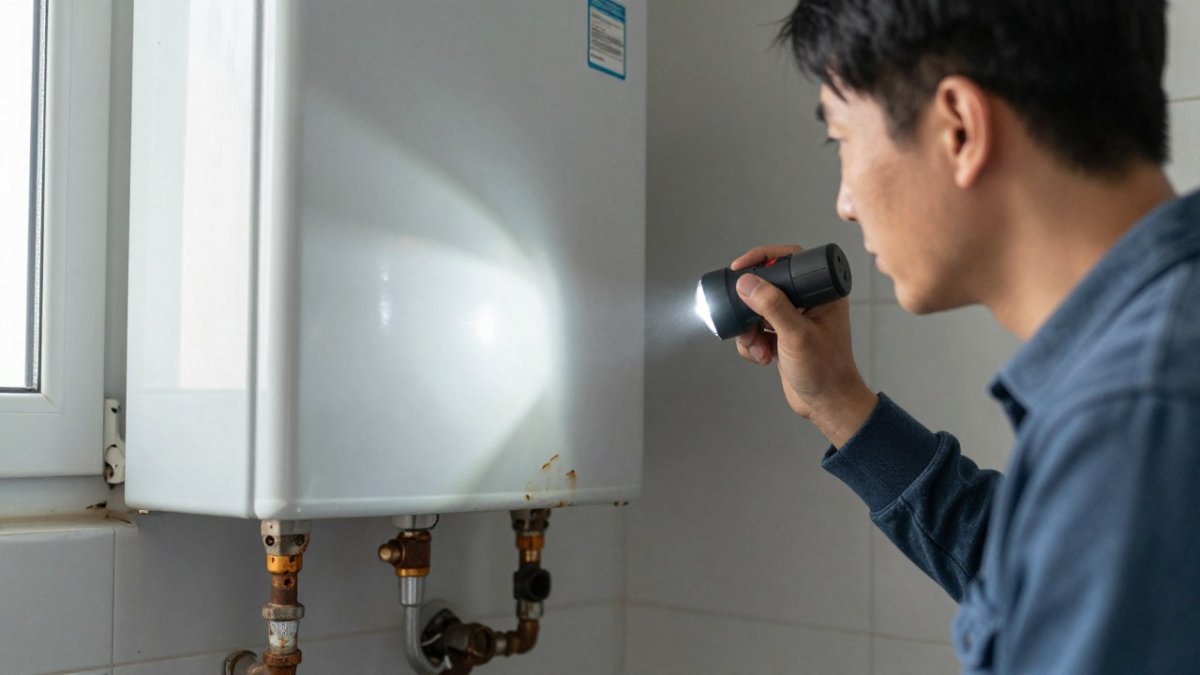
Waiting for a complete failure before replacing old water heater equipment carries risk. A leaking tank can cause water damage to flooring, cabinets, and stored items. Acting on early symptoms usually costs less than cleaning up after a sudden breakdown.
How Much Does Water Heater Replacement Cost and How Long Will the New Unit Last With Hard Water?
Replacement costs vary by unit type, size, and installation requirements, so we do not quote a fixed price here. For current pricing, check Reno Plumbing Doctor's website or request a quote. Hard water can build up sediment inside the tank and shorten its service life, so learning how hard water affects your plumbing helps you plan for a longer-lasting unit. You can also check whether your home has hard water before deciding how much protection you need.
Frequently Asked Questions
Is it worth replacing an old water heater?
It can be, depending on the age of the unit and what a repair would cost. A common rule of thumb is that replacement makes more sense when a repair approaches half the cost of a new unit. A younger heater with a minor problem and a modest repair bill may be worth fixing, while a unit showing leaks, corrosion, or repeated failures is usually a better candidate for replacement. Reno Plumbing Doctor offers upfront menu pricing, so you can see exact costs before any work begins.
How long does a water heater last with hard water?
Hard water builds mineral deposits inside the tank, which can reduce efficiency and shorten service life. Regular flushing and maintenance help slow that buildup. Because lifespan depends on water quality, usage, and maintenance, a unit in a hard-water area may need replacement sooner than the typical lifespan suggests. A plumber can inspect the tank and advise whether a water treatment solution would extend its life.
How do I know when to replace a water heater?
Watch for leaks at the base of the tank, rust-colored water, slow heating, reduced hot water, and unusual noises from sediment buildup. Age matters too, since many tank heaters are nearing the end of their service life after about 10 years. If you see several of these signs together, or a repair bill approaches half the cost of a new unit, scheduling a replacement before a failure can prevent water damage.