 How-to
How to Stop Sewer Backup Smell in Your Home
Last Updated: November 19, 2026
Quick Summary
To stop sewer backup smell, first find the source: one smelly fixture usually means a dry trap, while several fixtures point to the sewer line. Pour a quart of water into floor drains to refill dry traps, then clean buildup with hot water or baking soda and vinegar. If the smell returns or multiple fixtures smell, call a plumber.
- Pour a quart of water into rarely used drains every three to four weeks to keep traps sealed.
- A drain odor stays near one fixture and clears with cleaning, unlike a sewer backup.
- Skip chemical drain cleaners for routine odor because they can damage older pipes.
- Call a plumber when the smell survives a trap refill and drain cleaning.
- Stop using water during a backup; every gallon adds to the problem.
Table of Contents
- Step 1: Find the Source Before You Treat the Smell
- Step 2: Refill Dry Traps and Floor Drains
- Step 3: Clean the Drain and Remove Buildup
- Why Your Bathroom Drain Smells Like Sewage
- How to Stop Sewer Backup Smell in Shower and Floor Drains
- How to Stop Sewer Backup Smell From a Toilet
- How to Get Sewer Smell Out of House After a Backup
- When to Call a Plumber for Sewer Gas in Reno
- Frequently Asked Questions
Step 1: Find the Source Before You Treat the Smell
That rotten-egg odor in your bathroom is a signal, not a mystery. To learn how to stop sewer backup smell, trace the gas to its source before you pour anything down a drain.
A smell in one fixture usually points to a local problem. A smell in several fixtures points to the sewer line. That difference decides everything.
Sewer gas is a mix of gases, including hydrogen sulfide and methane, that forms when wastewater breaks down in a drain or pipe. It should stay outside your home. When it does not, one of a few things has gone wrong.
Check Each Fixture Systematically
Walk the house and note where the smell is strongest. This takes five minutes and saves hours of guessing.
- Bathroom sink: dry P-trap or buildup in the tailpiece
- Shower drain: dry trap, hair, or soap scum
- Floor drain: the most common dry trap in the house
- Toilet: loose seal, cracked bowl, or a backup
- Kitchen sink: garbage disposal or a blocked drain
- Laundry drain: rarely used, often dry
One smelly drain usually means a dry trap. Two or more fixtures with a sewage odor, plus a gurgling or slow drain, points to a plumbing vent or sewer line problem.
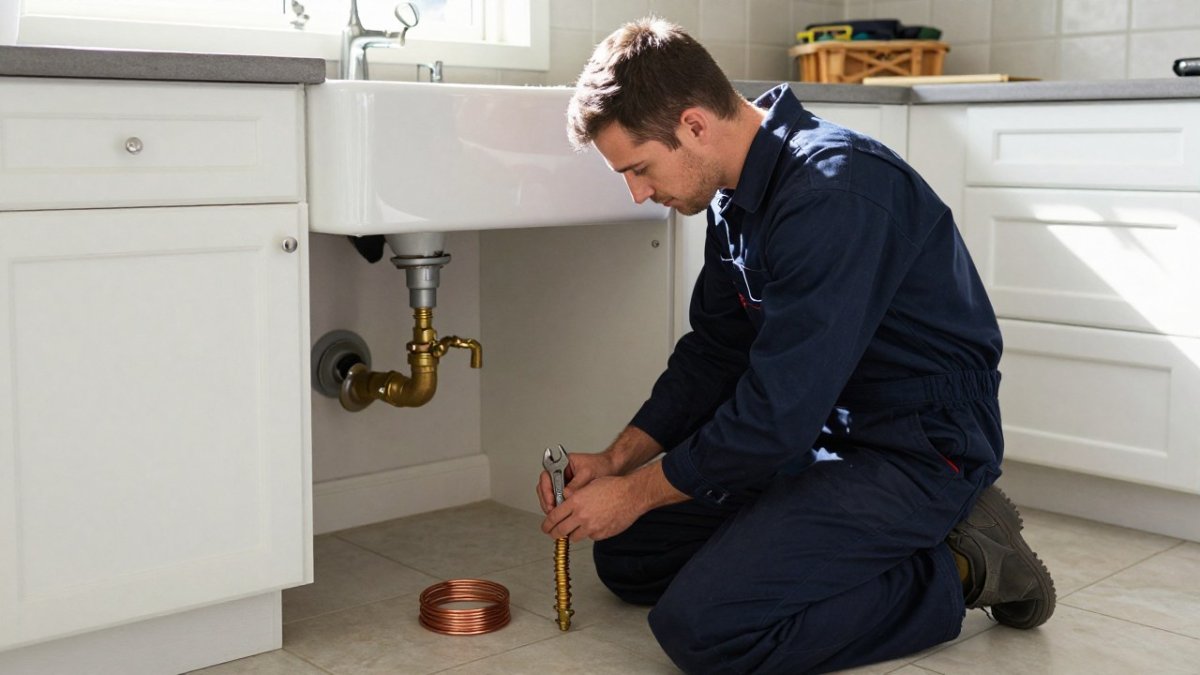
If you have already tracked the smell to a specific fixture and want it handled, our team covers sewer smell solutions in Reno for dry P-traps, clogged vents, and leaking seals.
Step 2: Refill Dry Traps and Floor Drains
The most common cause of a sewer smell is a dry trap, and it is also the easiest to fix.
When the trap seal dries out, gas moves straight up. Floor drains in basements, laundry rooms, and guest bathrooms dry out fastest because nobody uses them.
The fix is plain water:
- Pour a quart of water slowly into the drain.
- Watch whether it drains away or sits.
- Repeat for every floor drain in the house.
- Smell the area again after 15 minutes.
Set a phone reminder. That one habit prevents most repeat odors.
Watch out: if the water drains away within minutes and the smell returns, the trap itself may be broken or the line may be blocked. Water will not fix that.
Step 3: Clean the Drain and Remove Buildup
If the trap holds water but the smell stays, the problem is buildup. Organic debris, hair, soap, and grease collect in the drain and on the pipe walls. Bacteria break that material down and release sewer gas right at the drain opening.
Start with the least invasive method and work up.
Home Remedies That Actually Help
Some household fixes work well for drain odor. Others just mask it.
- Hot water flush: pour a pot of hot, not boiling, water down the drain. This loosens grease and soap film.
- Baking soda and vinegar: pour half a cup of baking soda in, then a cup of vinegar. Let it sit 15 minutes, then flush with hot water.
- Lemon juice: a cup of lemon juice followed by hot water cuts mild odor and leaves a cleaner smell.
- Ice cubes: run a handful of ice cubes through the garbage disposal to scrub the blades.
- Manual cleaning: pull the stopper and remove hair with a hook or brush.
These methods clean the drain opening, not necessarily the pipe. If buildup sits deeper in the drainpipe, the smell can return.
Skip chemical drain cleaners for routine odor. They can damage older pipes and rarely remove the full clog.
When the buildup is beyond a home fix, professional drain cleaning in Reno clears the line instead of just the drain opening.
Why Your Bathroom Drain Smells Like Sewage
A bathroom drain that smells like sewage almost always has one of four causes: a dry trap, organic buildup, a blocked vent pipe, or a failing wax seal under the toilet. The first two are DIY fixes. The last two need a professional.
Bathroom sinks and shower drains get heavy use, so buildup forms fast. Hair and soap scum trap moisture and feed bacteria, producing a drain odor rather than a sewer backup.
The plumbing vent matters more than people realize. Every fixture drain connects to a vent pipe that runs to the roof, equalizing pressure so water flows and traps stay filled.
Fixture-by-Fixture Diagnosis
Use this checklist to narrow the cause before you call anyone. Note where the smell is strongest and whether water stands in the trap.
- Bathroom sink: dry P-trap, buildup in the tailpiece, or a loose drain assembly. If water stands in the trap and the smell stays, the problem is buildup or the vent.
- Shower drain: hair and soap scum in the strainer, a dry trap in a rarely used shower, or a vent issue. A shower used daily should never have a dry trap.
- Floor drain: the most common dry trap in the house, especially in basements and laundry rooms. If refilling does not fix it, the trap may be full of sludge.
- Toilet: a failed wax seal, a loose closet bolt, or a blockage in the internal trapway. A toilet that rocks or seeps at the base needs a new seal.
- Kitchen sink: garbage disposal buildup or a blocked drain. Run the disposal with water and clean the baffle.
- Laundry drain: rarely used and often dry. Pour a quart of water in and check whether it drains away.
DIY Versus Professional: Where to Draw the Line
Most drain odors clear with a trap refill and a hot water flush. Stop troubleshooting and call a licensed plumber when:
- The smell returns within a few days of cleaning.
- Two or more fixtures smell at the same time.
- Drains gurgle or drain slowly in other parts of the house.
- Water backs up when you flush or run a fixture.
- You see water seeping at the base of a toilet.
Those signs point to a vent or sewer line problem that home remedies cannot reach. A camera inspection shows whether the issue is a blocked vent, a partial clog, or a damaged pipe.
How do you tell a drain odor from a sewer backup? A drain odor stays near one fixture and clears with cleaning.
If your sinks or showers are backing up, our guide on why drains back up and when cleaning is needed explains the warning signs.
How to Stop Sewer Backup Smell in Shower and Floor Drains
Shower and floor drains are the two fixtures most likely to produce a sewer backup smell. Both sit low, both collect debris, and both are easy to neglect.
For a shower drain, remove the strainer and clear hair, then flush with hot water and check that water stands in the trap between uses.
Floor drains need a different routine. Many are tied to a trap primer that adds water automatically, and those primers fail over time.
A simple test: pour a quart of water and watch. Water that drains slowly and smells worse afterward means the line is partially blocked.
For a shower that backs up or a floor drain that will not clear, the Reno Plumbing Doctor drain cleaning service handles both.
How to Stop Sewer Backup Smell From a Toilet
Check the base of the toilet first. If the seal between the toilet and the floor flange has failed, sewer gas leaks into the bathroom.
Next, check for a backup.
A toilet that smells only at the tank may have a different issue entirely, such as bacteria in the tank or a failing flapper.
Do not ignore a loose toilet. Our toilet repair and replacement service in Reno handles seals, flanges, and full replacements with transparent pricing.
How to Get Sewer Smell Out of House After a Backup
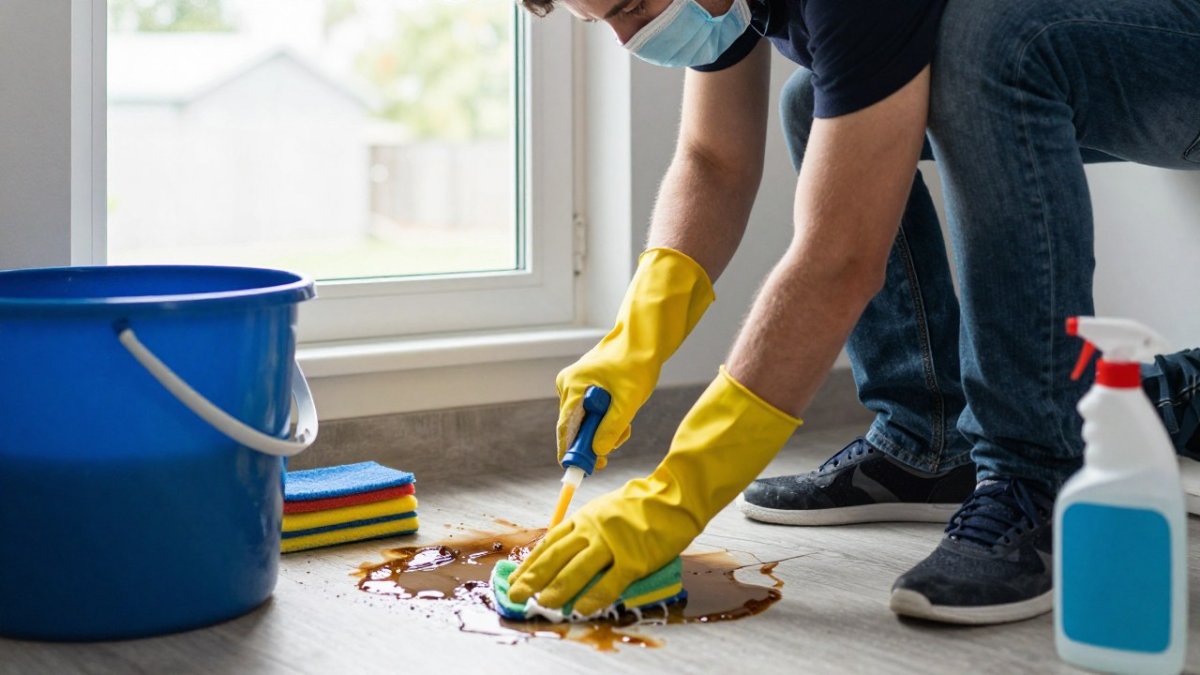
A sewage backup is not a cleaning problem with a bad smell attached. Wastewater can carry bacteria, viruses, and parasites, and the odor signals that contaminated water has entered spaces you touch and breathe in.
How to tell a backup from a drain odor: a drain odor stays near one fixture and clears with cleaning.
Immediate Safety Steps
- Stop using water. Do not flush toilets, run sinks, or run the washing machine until the backup is cleared; every gallon adds to the problem.
- Keep people out of the area. Children, pets, and anyone with a weakened immune system should stay away from affected rooms.
- Ventilate safely. Open windows and run fans, but do not run a central air system that could pull contaminated air into other rooms.
- Protect yourself. Wear rubber gloves, boots, and a mask. Wash hands with soap and warm water after contact, and change clothes before moving through the rest of the house.
- Leave if you feel ill. If you feel dizzy, nauseated, or short of breath, leave the house and call from outside. Sewer gas in high concentrations is a health risk, not a nuisance.
Cleanup Order That Actually Works
Do not clean until the source is stopped. Cleaning a floor that is still receiving wastewater is wasted effort.
- Stop the source. Shut off water to fixtures if you can, and call a plumber or the city if the backup is coming from the main line.
- Remove standing water with a wet vacuum or towels. Bag and discard towels that soaked up wastewater.
- Discard porous items that soaked up wastewater, including cardboard, carpet padding, and drywall that stayed wet.
- Clean hard surfaces with a disinfectant, then rinse. Pay attention to grout, baseboards, and the bases of toilets and cabinets.
- Dry the area completely with fans and a dehumidifier. Moisture left behind feeds mold and keeps the odor alive.
- Run water in every fixture to refill traps and check flow once the line is clear.
Watch out: if the backup came from the main sewer line, the smell will return until the line is cleared. Cleanup without repair is wasted effort, and repeated backups can mean a blocked or damaged line that needs a camera inspection.
When to Call for Help
Call a licensed plumber when wastewater is rising in more than one fixture, when the backup returns after clearing, or when you cannot find the source. If the backup appears to come from the public sewer line rather than your private plumbing, contact your local sanitary authority.
The Fountain Hills Sanitary District guidance on sewer odors advises calling a licensed plumber first to locate the source of a sewer odor, and contacting the local sanitary district if the source is not inside the home.
When to Call a Plumber for Sewer Gas in Reno
Call a plumber when the smell survives a trap refill and a drain cleaning, or when more than one fixture is affected.
Here is the line we draw for homeowners:
| Situation | DIY or Pro | Why |
|---|---|---|
| One smelly drain, water holds in trap | DIY | Dry trap or surface buildup |
| Smell returns after cleaning | Pro | Buildup deeper in the drainpipe |
| Two or more fixtures smell | Pro | Vent or sewer line issue |
| Gurgling or slow drains elsewhere | Pro | Partial blockage in the line |
| Water backs up when you flush | Pro | Blocked sewer line |
| Sewage on the floor | Pro | Active backup, health risk |
A recurring sewage smell is not a cleaning problem.
In Reno, older homes and hard water both play a part. Mineral scale narrows pipes over time, and tree roots find their way into aging sewer lines.
Reno Plumbing Doctor uses menu pricing, so you see the cost of each option before any work begins.
If you smell gas and also feel dizzy or nauseated, leave the house and call from outside.
Frequently Asked Questions
How long does it take for a sewer smell to go away?
If a dry P-trap caused the smell, it can clear within hours of refilling the trap with water and airing out the room. Odor from drain buildup usually fades over a day or two after a thorough cleaning. A persistent smell that lasts more than a few days, or returns after you have refilled and cleaned every drain, points to a blocked or damaged sewer line rather than a surface issue, and that needs a plumber to locate the source.
What can I put down my drain to stop sewage smell?
Start with hot water to flush loose debris, then a baking soda and vinegar mix to break up organic film, followed by another hot water rinse. A quarter cup of lemon juice or a handful of ice cubes in the garbage disposal can freshen it further. Skip chemical drain cleaners, which can damage pipes and do not fix a dry trap or a blocked line. If the smell returns within days, the cause is deeper than the drain surface.
Can a sewer smell in the house come and go?
Yes, and that pattern usually points to a dry trap or a venting problem. A guest bathroom or floor drain that rarely sees water lets the trap seal evaporate, so odor drifts in until someone runs the tap. Pour a quart of water into rarely used drains every three to four weeks to keep the seal intact, as North Dakota State University Extension recommends. A smell that comes and goes with wind or weather can also signal a blocked plumbing vent.
When should you call a plumber for a sewer gas smell?
Call a plumber when the smell persists after you have refilled every trap and cleaned the drains, when more than one fixture is affected, or when you notice gurgling or slow drains alongside the odor. Reno Plumbing Doctor offers up-front menu pricing so you know the cost before any work begins.