 Comparison
How Much Does Water Softener Installation Cost in 2026?
Quick Summary
Water softener installation in 2026 typically costs about $1,500, with total prices ranging from $150 to $11,000 depending on system type, capacity, and whether new plumbing is needed. Equipment alone runs $700 to $3,500, while labor varies from $150 to $1,200 depending on the provider.
- Equipment is the largest line item, reported at $700 to $3,500 for most systems.
- Local labor runs $150 to $500, while national providers charge $600 to $1,200.
- A like-for-like swap on an existing loop is usually the cheapest scenario.
- Creating a new loop or relocating a unit adds materials and labor to the total.
- Compare ten-year costs including salt, water, electricity, and service, not just the installed price.
Table of Contents
- Average Water Softener Installation Cost in 2026
- Water Softener Cost by System Type
- Equipment and System Purchase Costs
- Water Softener Installation Labor Cost
- Installation Complexity: Existing Loop Versus New Plumbing
- Water Softener Installation Time and Maintenance Cost
- Booking Your Installation Quote With Reno Plumbing Doctor
- Frequently Asked Questions
Average Water Softener Installation Cost in 2026
Last Updated: November 10, 2026
Water softener installation costs in 2026 range widely, from $150 to $11,000, and most homeowners spend around $1,500, according to Angi water softener installation cost guide. That spread is the first thing to understand. Reno Plumbing Doctor sees the same thing when homeowners compare quotes: the number on one estimate often covers a different set of work than the number on the next.
Published estimates disagree for a reason. Homewyse water softener installation estimate gives a basic national installation estimate of $1,131 to $1,405 per softener in May 2026. Aquasure 2026 water softener cost guide reports straightforward installation at $500 to $1,200, but it reports equipment separately at $700 to $3,500. Neither figure is wrong. They measure different things.
Comparing quotes on three lines (equipment, labor, and site-specific work) makes it easier to see what each total includes. Installation pricing also varies by region and home layout.
Water Softener Cost by System Type
System type changes the price more than most homeowners expect. Equipment cost depends on capacity, technology, and whether the system uses one tank or two. PSV Plumbing water softener cost breakdown reports equipment costs from $500 to more than $2,500, with dual-tank systems at the higher end.
Capacity matters as well. A 22,000-grain cabinet unit was listed at $579.99 and a 42,000-grain unit at $799.99 by SimplyWise water softener pricing. Those are equipment prices, not installed prices, and the gap between them only tells part of the story.
If your home has high water usage, a larger capacity unit may cost more upfront but require less frequent regeneration. We recommend sizing the system to your actual household demand before comparing prices.
Equipment and System Purchase Costs
Equipment is the largest single line on most quotes. Aquasure 2026 water softener cost guide reports equipment alone at $700 to $3,500, with mid-range units typically priced at $1,200 to $2,400.
Pipe work is the expense people forget. If a new loop is needed to connect the softener, the cost of cutting and rerouting pipe can change the total. Reno Plumbing Doctor handles pipe installation and repair for homes that need that work.
Financing can help when equipment and installation together come to a large sum. Reno Plumbing Doctor offers financing through Synchrony to spread those costs over time.
Water Softener Installation Labor Cost
Labor is where local companies and national providers differ most. SoftPro Water Systems installation price comparison reports national provider installation at $600 to $1,200, while local companies are reported at $150 to $500.
A national provider is not automatically the better value. Check what each quote includes before comparing totals. Some quotes cover basic hookup only, while others include bypass valves, drain connections, and testing.
Watch out: a low labor quote can exclude plumbing modifications that show up later as change orders. Ask for the work list in writing before you agree to a price.
Installation Complexity: Existing Loop Versus New Plumbing
Installation complexity is a major driver of the gap between a low-cost hookup and a multi-thousand-dollar job. The useful way to compare is by scenario, because each one carries a different mix of labor, materials, and permit exposure.
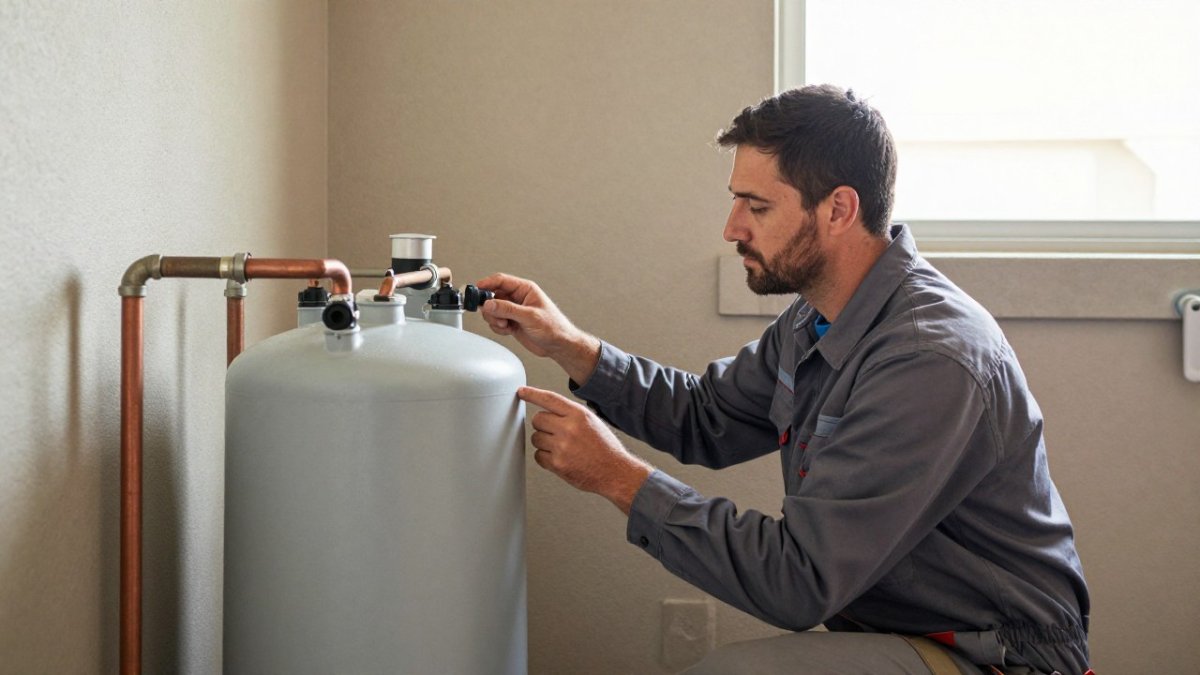
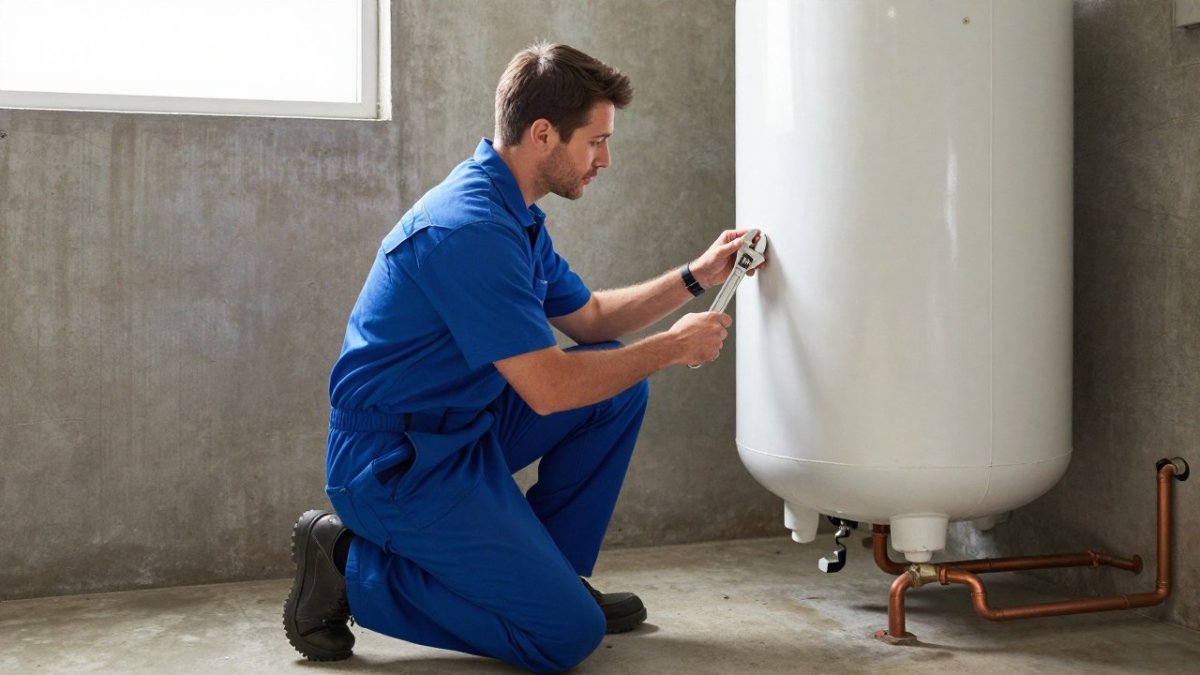
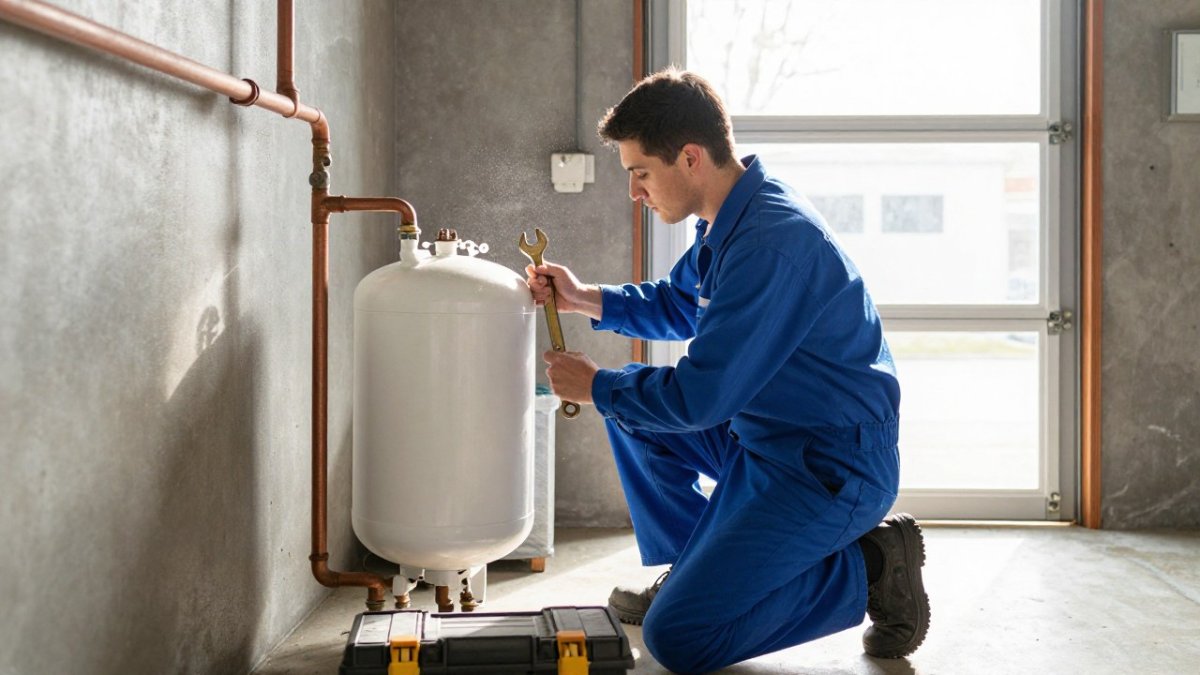
Scenario 1: Existing softener loop, like-for-like replacement. The loop, bypass valve, and drain connection are already in place. The job is disconnect, remove, set the new unit, reconnect, and test. Most practitioners find this is a few hours of labor, and it is the scenario where the $150 to $500 local-labor range reported by SoftPro Water Systems installation price comparison is realistic. No new plumbing means permits are usually not triggered.
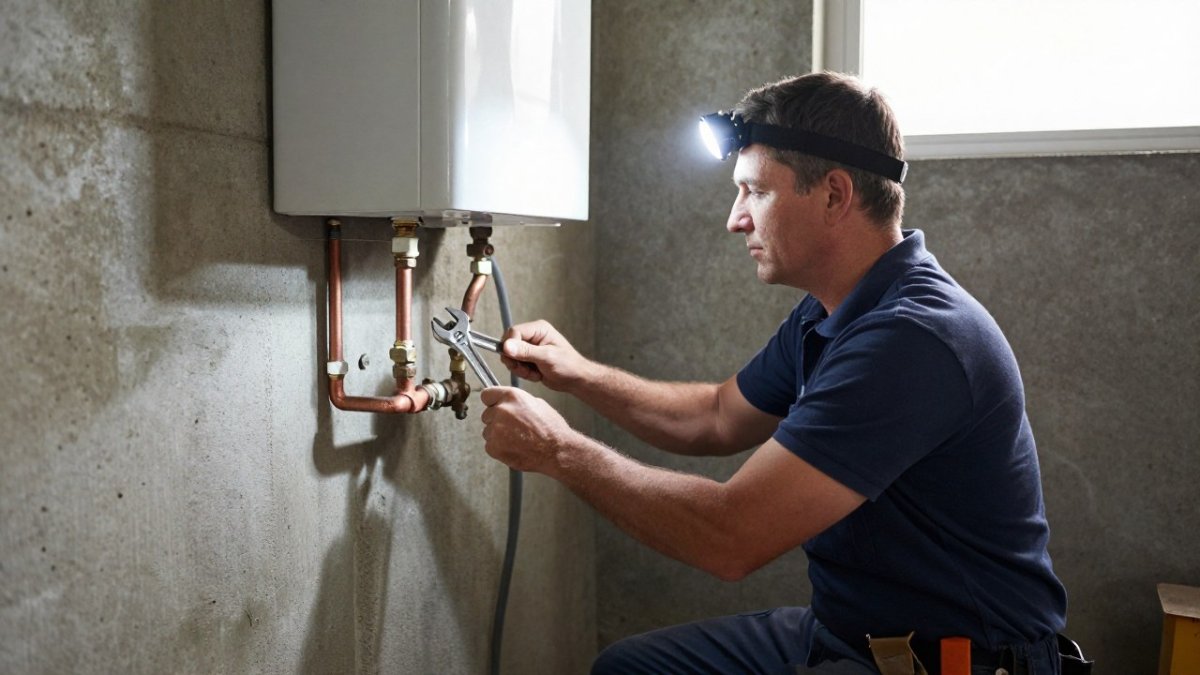
Scenario 2: No loop, softener added to existing plumbing. A loop has to be created by cutting into the main line, routing pipe to the softener location, and adding a bypass valve and drain line. This is where the $500 to $1,200 straightforward-installation range from Aquasure 2026 water softener cost guide sits, and where the upper end is reached when the softener location is far from the main line or the drain is inconvenient. Because creating a loop is a substantial plumbing change, weighing that work against the household’s actual need for softened water can help determine whether the added installation cost makes sense, as explained in a homeowner's guide to water softeners.
Scenario 3: Relocation. Moving an existing softener to a different spot combines removal, new loop creation, and capping the old connection. It is rarely cheaper than a fresh install because you pay for both ends of the move.
Scenario 4: Difficult access. Crawl spaces, finished basements with no service access, slab construction, and tight mechanical closets add labor hours for routing and can require drywall or access-panel work that a plumbing quote may not include. Ask specifically whether access restoration is in the quote.
A standardized way to compare quotes is to separate four lines: equipment, labor, plumbing materials and modifications, and permits/inspection. Two quotes with the same total can allocate those lines very differently, and the one with a low labor line and no plumbing line is often the one that generates change orders.
Permits and Inspection Fees
Permit requirements for water softener work vary by jurisdiction and by whether the job alters plumbing. A like-for-like swap in an existing loop often needs no permit; new loop creation, drain-line changes, or relocation are more likely to require one. Permit fees are set locally and are typically modest relative to the plumbing work, but the inspection step adds scheduling time. Ask your installer two questions in writing: whether a permit is required for your specific scope, and whether the permit fee and inspection are included in the quoted price.
The table below summarises the four installation scenarios and the cost range each one typically carries, based on the figures already cited.
| Scenario | What the work involves | Cost signal in the article |
|---|---|---|
| Existing loop, like-for-like swap | Disconnect, remove, reconnect, test | Local labor $150 to $500 |
| No loop, softener added | Cut main line, route pipe, add bypass and drain | Straightforward installation $500 to $1,200 |
| Relocation | Remove, create new loop, cap old connection | Rarely cheaper than a fresh install |
| Difficult access | Extra routing hours, possible drywall or panel work | Ask if access restoration is in the quote |
Water Softener Installation Time and Maintenance Cost
Installation time and ongoing cost are numbers homeowners often leave out of the comparison.
Installation time. A like-for-like swap in an existing loop is typically a few hours. Creating a new loop or relocating a unit commonly runs most of a day, and difficult access or added plumbing can push it longer. Plan for water service to be off during the work and ask the installer to confirm the expected window before the day of the job.
Recurring cost of ownership. For a salt-based system, the recurring lines are:
- Salt. The dominant recurring expense. Consumption scales with water hardness, household size, and regeneration settings, so a larger, correctly sized unit can use less salt per gallon treated than an undersized one cycling constantly.
- Water used for regeneration. Each regeneration cycle sends a volume of water to drain. More frequent regeneration from an undersized or poorly set unit means more water down the drain.
- Electricity. Modest for most residential units, but it is a real line for systems with pumps or controllers.
- Service and parts. Periodic servicing, resin or media replacement over a long life, and occasional valve or controller repairs.
- Salt-free or filter-based alternatives. These avoid salt but add filter or media replacement costs on a set schedule, so the comparison is not salt versus nothing, it is salt versus media.
Lifespan framing. A softener is a decade-plus purchase, so the right comparison is installed price plus ten years of salt, water, electricity, and service. An installed price that looks low can cost more over time if the unit is undersized, regenerates inefficiently, or needs frequent repairs. Ask each quote for the unit's rated capacity, expected salt use at your hardness, and warranty terms, then compare the ten-year totals rather than the day-one totals.
Sizing before you buy. Overspending usually comes from buying capacity you do not need or buying too little and paying for it in salt and water. Have the installer measure your water hardness and estimate household demand in gallons per day before recommending a grain capacity. That step prevents both an oversized unit and a unit that never keeps up.
Booking Your Installation Quote With Reno Plumbing Doctor
Reno Plumbing Doctor offers up-front menu pricing, so you see exact costs before any work begins. If you want to spread the cost, you can review financing options available when you book. Fully stocked service trucks enable on-the-spot repairs, which can save time and money.
To get an estimate for your home, schedule a plumbing service with Reno Plumbing Doctor.
BUTTON: Get Your Softener Quote CARD_TITLE: What will a softener really cost my home? CARD_TEXT: Reno Plumbing Doctor gives up-front pricing before any work begins.
Frequently Asked Questions
How much will a plumber charge to install a water softener?
Published estimates for professional installation vary. Aquasure reports straightforward installation at $500 to $1,200, while SoftPro Water Systems reports $600 to $1,200 for national providers and $150 to $500 for local companies. Plumbing changes, loop creation, and site conditions can push the total higher. Ask each provider exactly what the quote includes before comparing numbers.
How much does a water softener for a 2,000-square-foot house cost?
Home size alone does not set the price; water hardness and household water use drive the required grain capacity, which affects equipment cost. Aquasure reports equipment-only prices of $700 to $3,500, with mid-range units at $1,200 to $2,400. Installed cost adds labor and any plumbing modifications, so request an itemized quote based on your home's water test results.
What is the average labor cost to install a water softener?
Labor is typically the largest variable after equipment. Published sources report installation totals from $150 to $11,000, with Angi noting that most homeowners spend around $1,500 overall. A straightforward swap at an existing loop costs less than running new plumbing. Compare labor separately from equipment so you can see what each quote actually covers.
How long does it take to install a water softener?
A basic installation on an existing water line is often described as a relatively short job. Jobs that require new plumbing, drain line relocation, or permit inspections take longer. Confirm the timeline and inspection requirements before scheduling.